
SEÇİL EREL: LIFESTYLE INTERVIEW
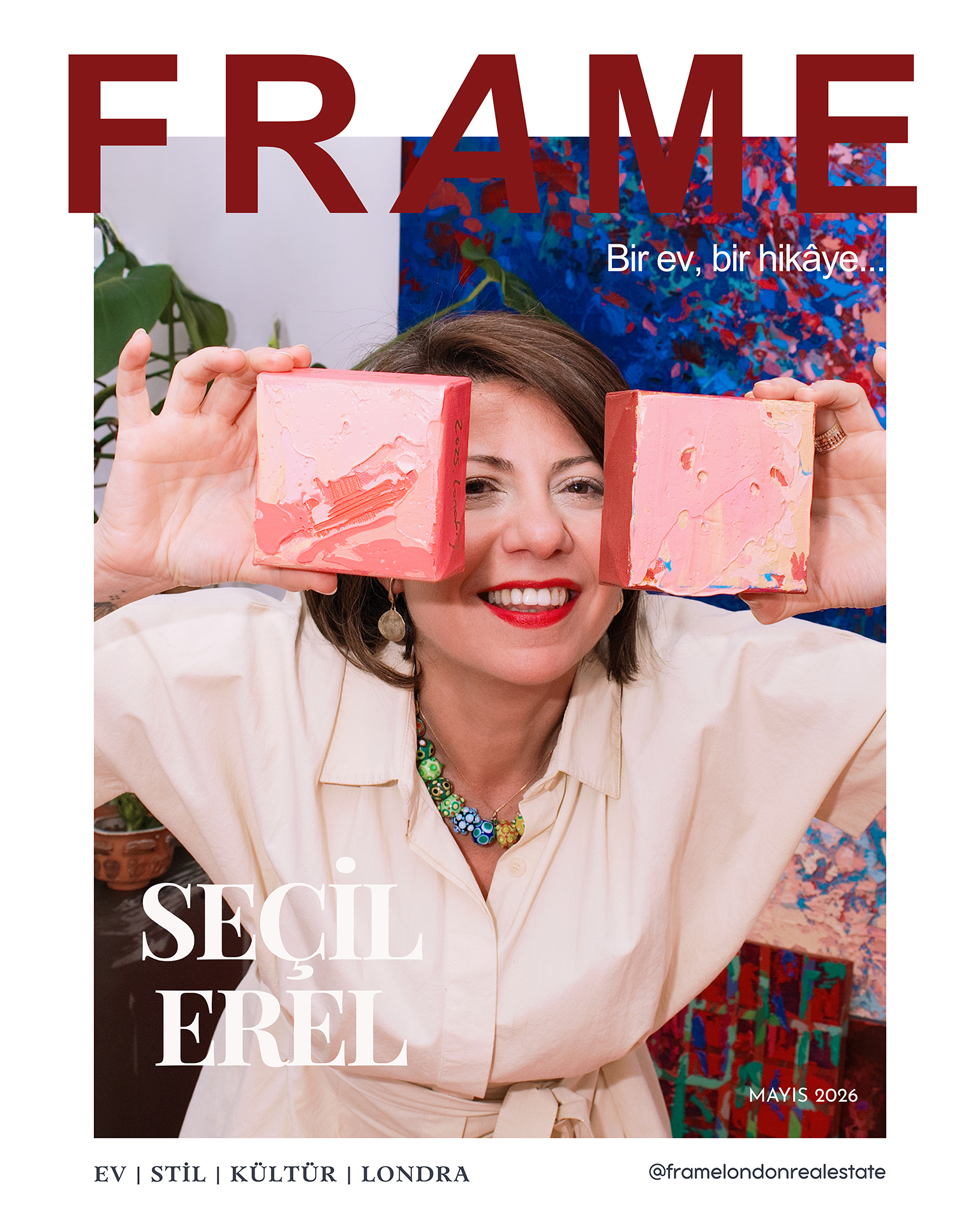
A contemporary painter with multiple studios between London and Istanbul...
Why and how did you settle in London, one of the world's most vibrant metropolises? How did this journey begin?
Although my move to London appeared sudden, it was years in the making. My experiences in Germany, Switzerland, and other countries—which I started for the international expansion of my established career in Istanbul—naturally directed me towards London. Therefore, my arrival in London was not a sudden decision, but the result of an orientation that took shape over time. I settled here with the desire to both realize my own potential in a broader field and to offer my daughter the kind of future I dreamed of. At the point I have reached today, being based in London while keeping my Istanbul studio active is very valuable to me. This flow I have established between the two cities has become a natural part of my production.
Do you remember the first moment London felt like "home" to you? Can you describe that feeling?
What a beautiful question. I remember it very clearly. During the period I lived in a house in London Fields, where the park extended almost into my garden; I remember very clearly stopping one day , as I dropped my daughter off at school by bike in the mornings, walked along Regent’s Canal, and passed through Broadway Market and saying, "Yes, this is my home." It was a very strong and very instinctive feeling. Currently, I live in Muswell Hill; intertwined with nature, among the trees, but also close to the city. That initial feeling of home has become more established and deepened over time.
The concept of home has changed a lot for me over the years. After my years in Istanbul, the moves, and urban transformation processes, home became a feeling for me rather than a physical place. One of my most meaningful turning points was receiving my British citizenship. For me, this was not just an official status, but also a real equivalent of the life I built and the feeling of "being at home." Being able to set out from one place, take root in another, and feel like I belong there has a very powerful place in my story. At the point I have reached today, I am living a life where I am in balance with both the city and nature, which truly completes me.
 How does it feel to exist in London as an artist coming from a different culture?
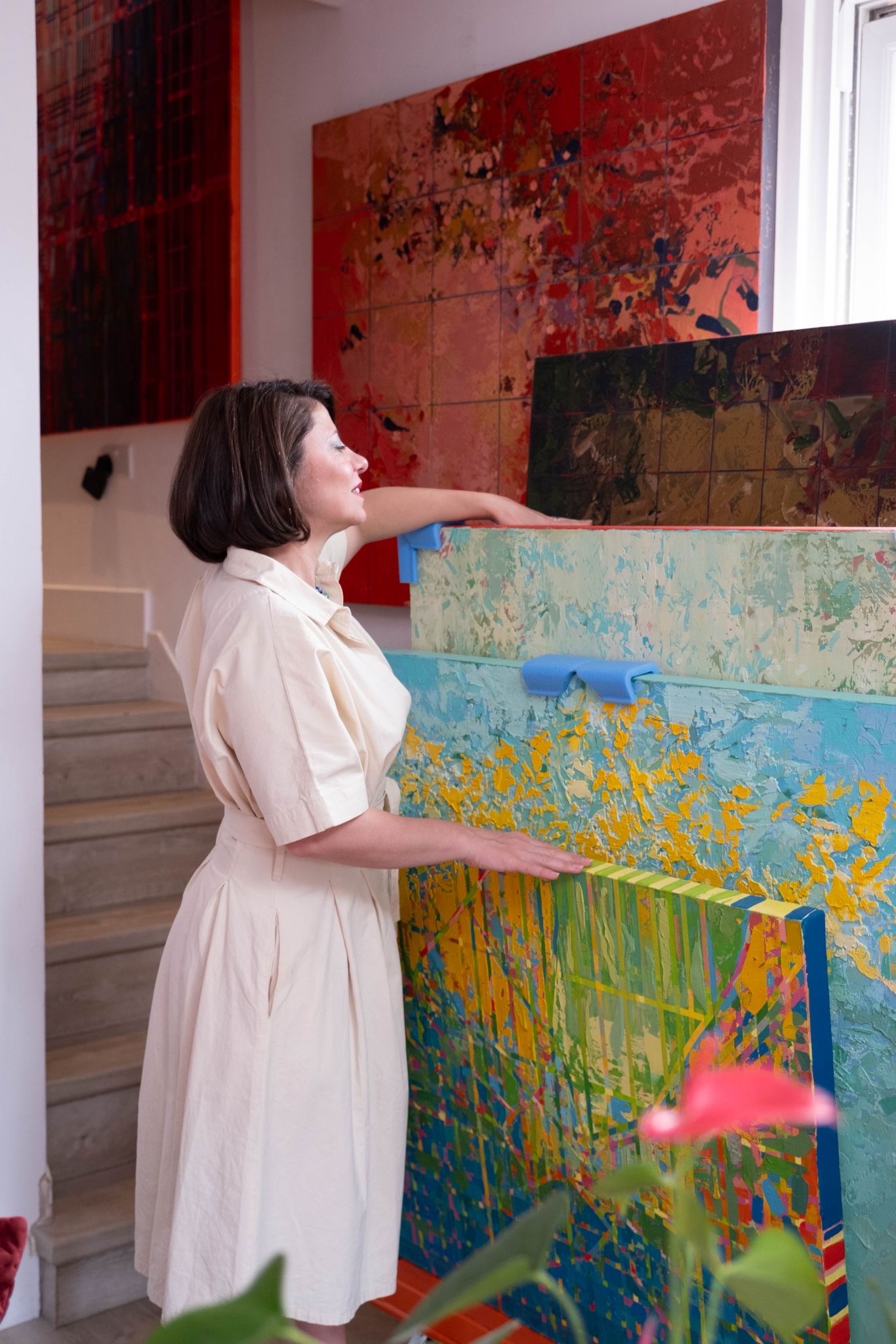
What an important point! Although London seems like a very glittering, inclusive, and easy city from the outside, it has a very competitive and difficult structure behind it. Coming from Istanbul to London and becoming part of the system here requires a serious adaptation process. Even though I came as an artist who had reached a certain point in her career, I had to rebuild my life and my career . This was both an advantageous and a challenging process.
In my first year, I was accepted into the "Artist Business Development Program," run in collaboration with the London Creative Network and the European Union. During this process, I had the opportunity to join the network and position my art production correctly. As I understood the language, system, and approach in a deeper and correct sense over time, my work also began to transform in the UK. At the point where you can connect through the language of art, the feeling of "foreignness" also changes. Where I am today, it is beautiful for me to be able to both maintain my presence in Turkey and manage it from an international perspective. I believe I am seeing the rewards of dreaming big and working with patience and faith. Wherever I am, I act with the power of the bond I have established with myself. This is reflected in my paintings as a calmer, more accepting, and more complete language of expression. Creating spaces where people can connect with art, find inspiration, and feel good is an extension of the "home" concept for me.
What differences do you see between Turkey and the UK in terms of art?
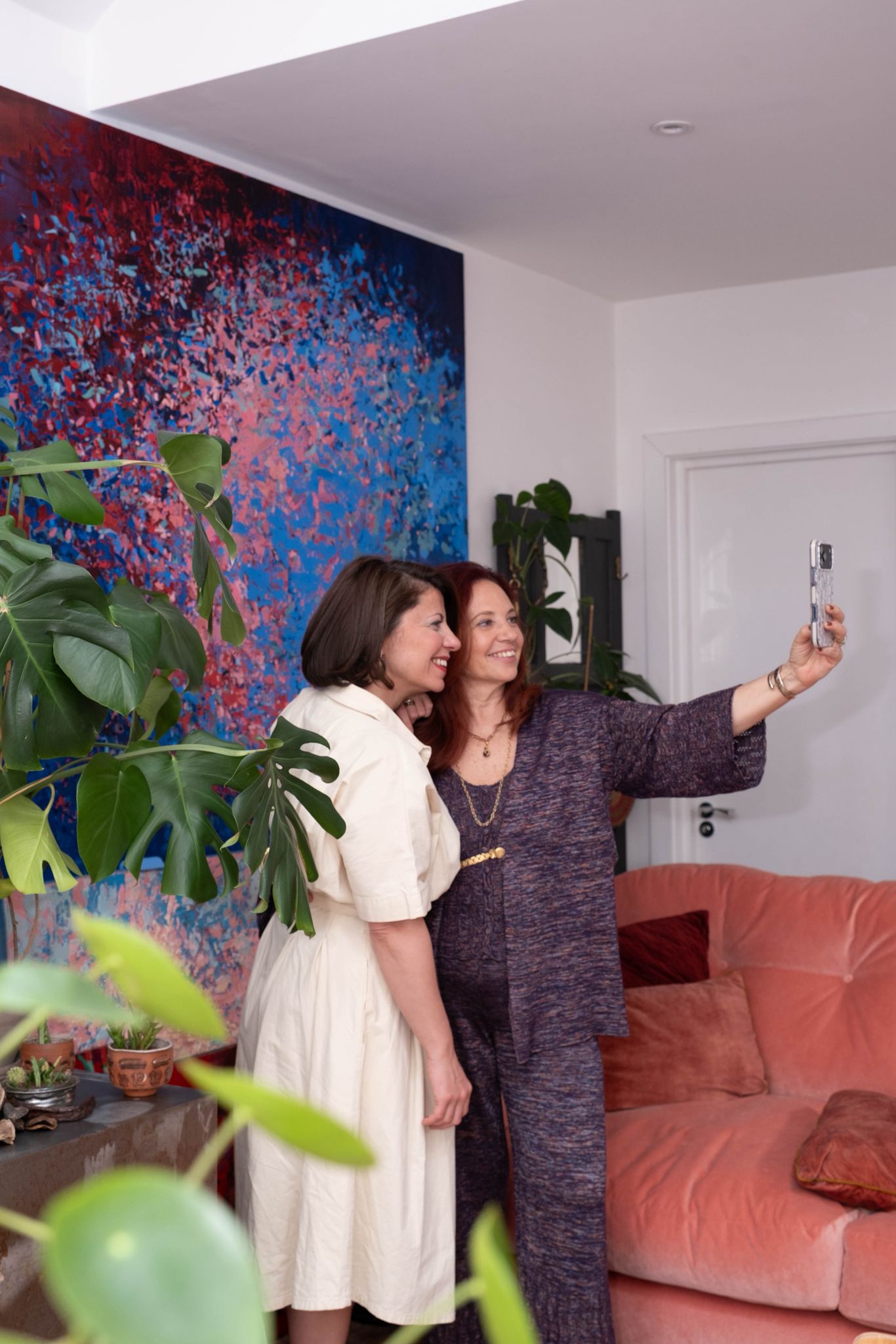
There are huge differences. London is one of the world's most competitive and largest-scale centres of art globally. Turkey, on the other hand, is a younger, newer, but very vibrant scene with high potential. Comparing them isn't very meaningful because their scales are quite different. What is important for me is to be able to establish a balance between these two worlds: to be nourished by my roots while continuing my production in an international arena.
How do you reflect the feeling of "belonging" in your works?
My solo exhibition, Being at Home, which I held in London in 2025, was a very natural reflection of this question. The starting point of the exhibition was Rumi’s thought: "Wherever I am, I am at home." Moves, city changes, and especially the transformation processes in Istanbul made "home" something I constantly redefine. Over time, I realized that home is an area one builds within oneself rather than a place established outside. Today, I carry this feeling more in my work.
For me, home is a space I construct just like my paintings. I don't start a home with a plan, but with a single object I fall in love with. Style comes from the heart first; the mind organizes it later. Painting for me is not a process with a beginning and an end, but an ongoing flow. It starts with emotion, turns into thought, and takes shape in my sketchbooks and the studio. The places I see, the streets I walk, the music I listen to, the dialogues I have... they are all part of this process. There is a structure and intention behind every work, but also a very strong, intuitive flow. At some point, you feel the painting is finished. You know when that final touch will come.
Could you tell us about the story and setup of your home?
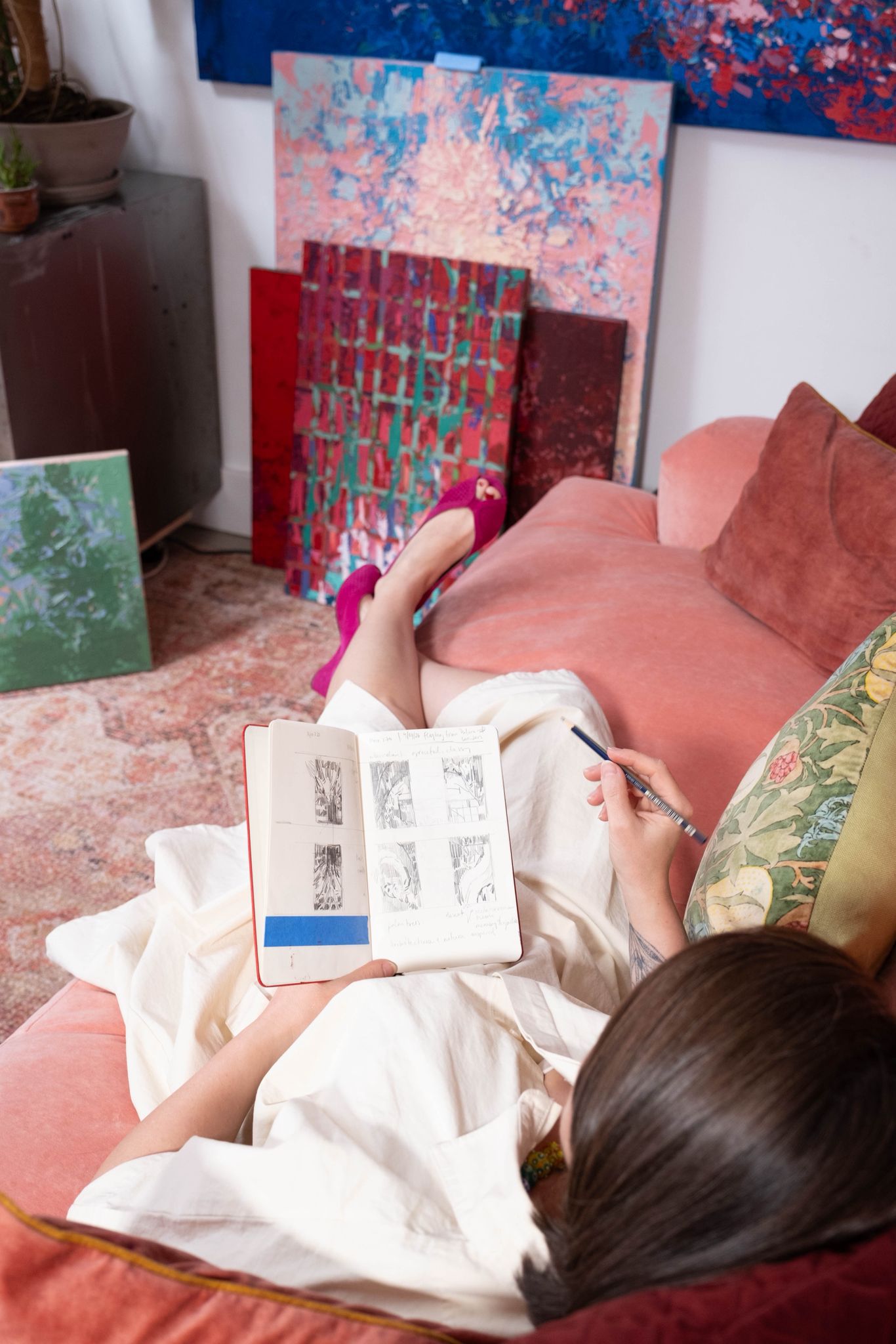
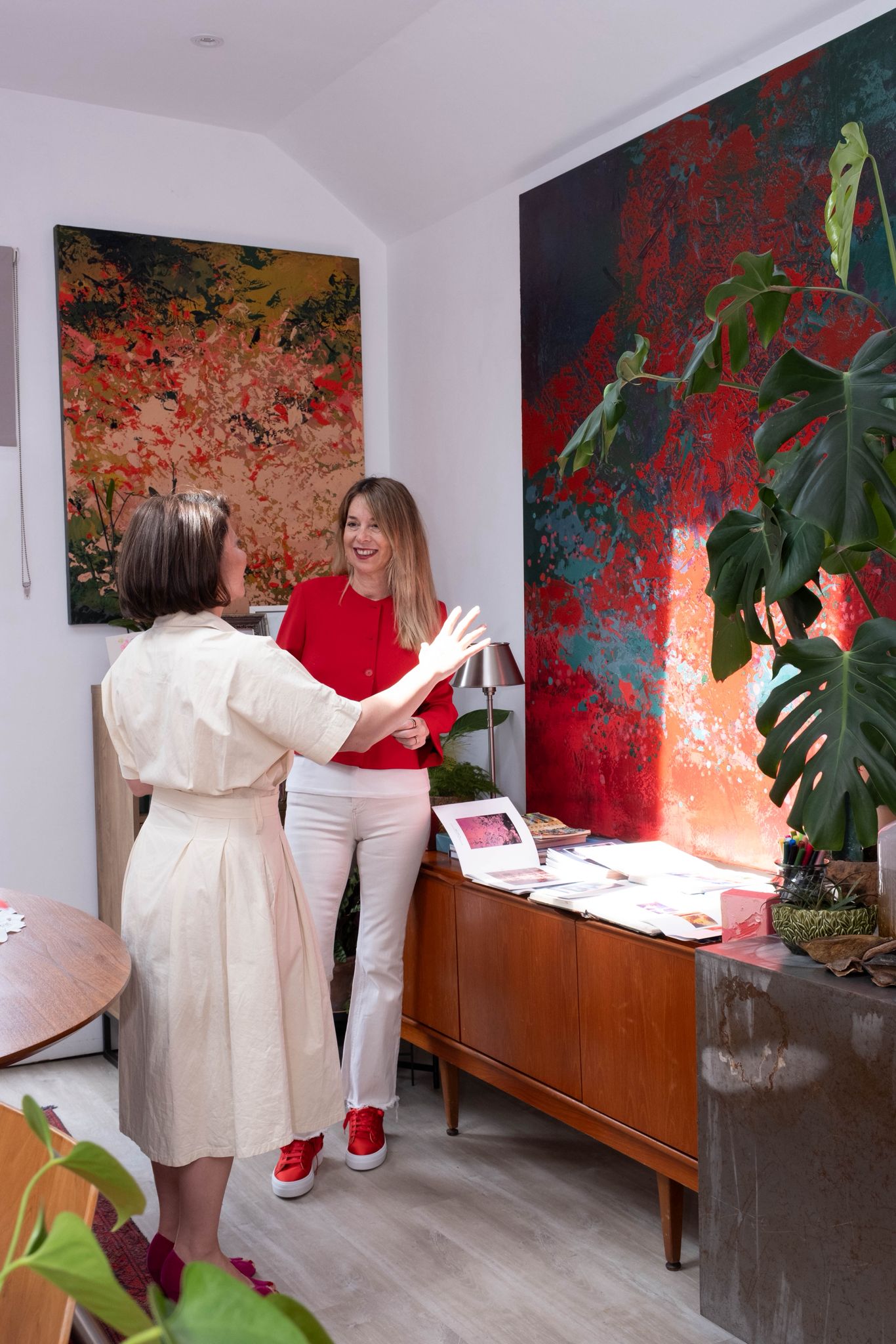
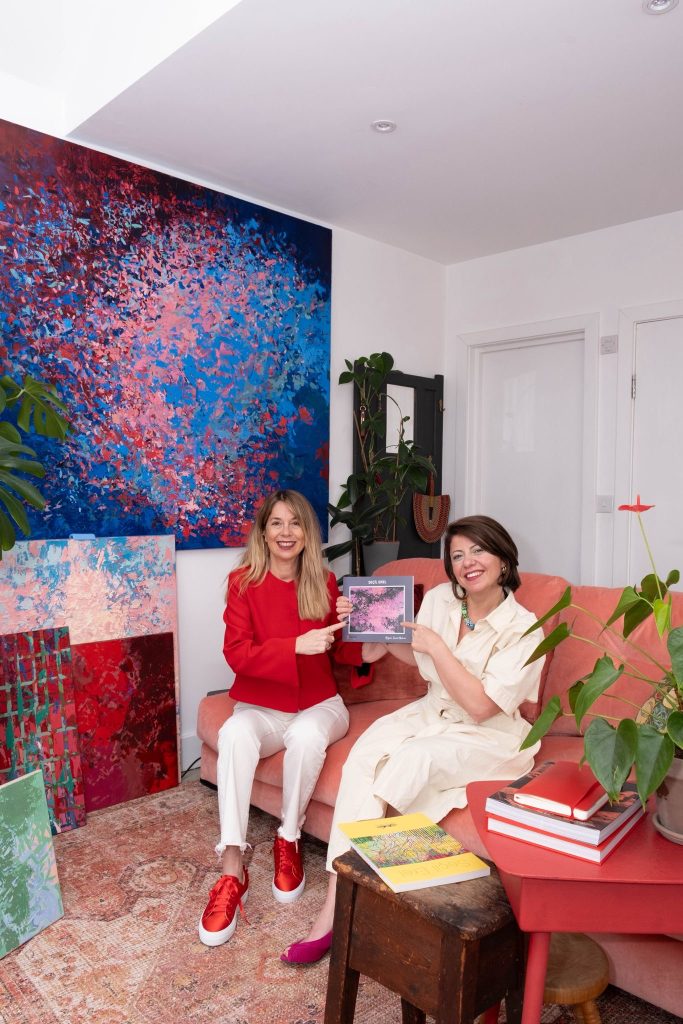
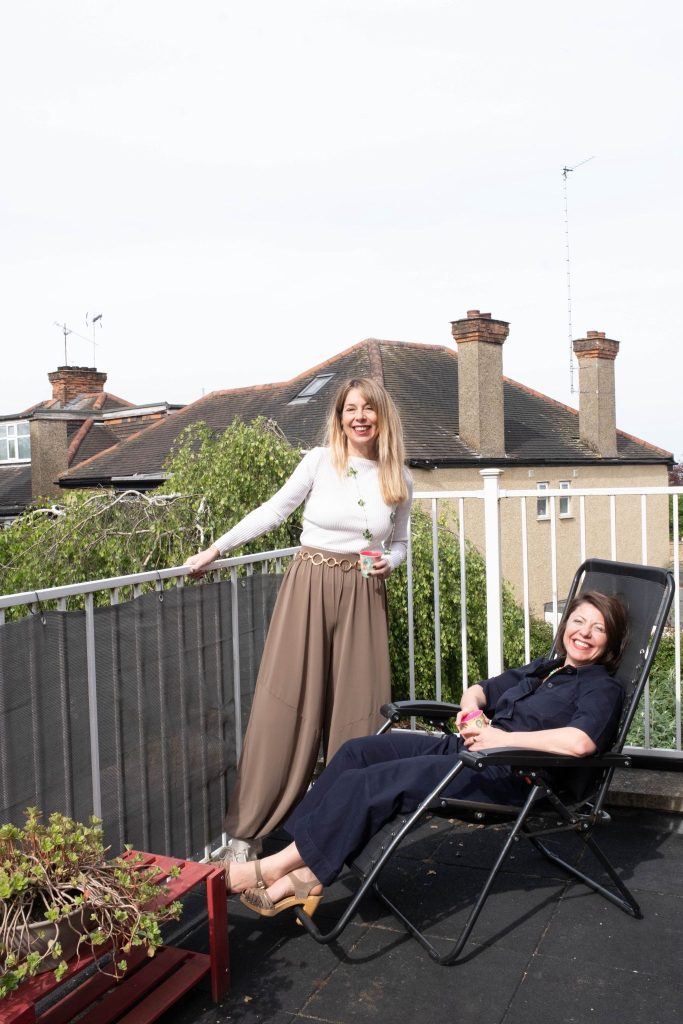
As soon as you enter my house, you go directly into the living area. Part of the ceiling is glass, and a very strong light comes in. This area also opens onto the terrace. Throughout the house, there are plants, paintings, objects I brought from my travels, and colourful details living in harmony with each other. For me, home is an area I construct just like my paintings. It is a clean, balanced, bright, and at the same time living atmosphere that is very much like me. My studio in the flat follows a similar logic. Although it is a large space, order, cleanliness, and good energy are very important to me.
When you enter a space, what do you look at first? Is it the light, the energy, the details, or the peace?
When I enter a space, I first look at its light, energy, and overall feel. For me, the most important thing in a space is peace and balance. But at the same time, there should be a flow where I can be comfortable within a dynamic life.
Are there pieces in your home that you brought from Turkey that are meaningful to you?
I moved to London with two suitcases and a few rolls of my paintings. Over time, there were many small but meaningful pieces I brought from Turkey: objects left from my elders, memories from my youth, details from my daughter's childhood... I built my life here not with large furniture, but with small pieces that have deep meaning.
Is there a special area or a hidden corner for you within your colourful house?
I create small areas for myself in different rooms of my house. But my truest refuge is, of course, my sketchbooks. The moments when I am alone with paper and pen are the most special area for me.
As a Turk living in London, what do you miss most about Turkey?
My family, my friends, of course the Bosphorus, the sea, the energy of the land, its dynamic and sometimes chaotic structure... and of course, my studio. Moreover, longing is a very beautiful feeling in itself; it has a side that keeps one alive and excited.
How does an ordinary day in London begin for you? Would you like to tell us?
Mornings are very important to me. I wake up early and drink my coffee. I start the day calmly if possible; I don't like to start by rushing. I enjoy spending time in cafes; especially if the weather is nice, going out is very pleasant for me. Sports, walking, meditation, reading books, and visiting exhibitions are also part of my daily life.
Where is your favourite escape point in London?
Parks, nature, and areas where I can breathe... On the other hand, sitting in galleries and cafes with my sketchbook and watching people is very nourishing for me.
What are you doing these days and what are your future goals?
Currently, I am in a very intense and active production period in both of my studios. I continue my work on an international scale in my Istanbul and London-based studios. I am going through a very focused and productive period, both for commissioned work created for private collections and corporate projects alongside my upcoming exhibitions.
In addition to your works, could you also mention your events that activate the creativity of the participants?

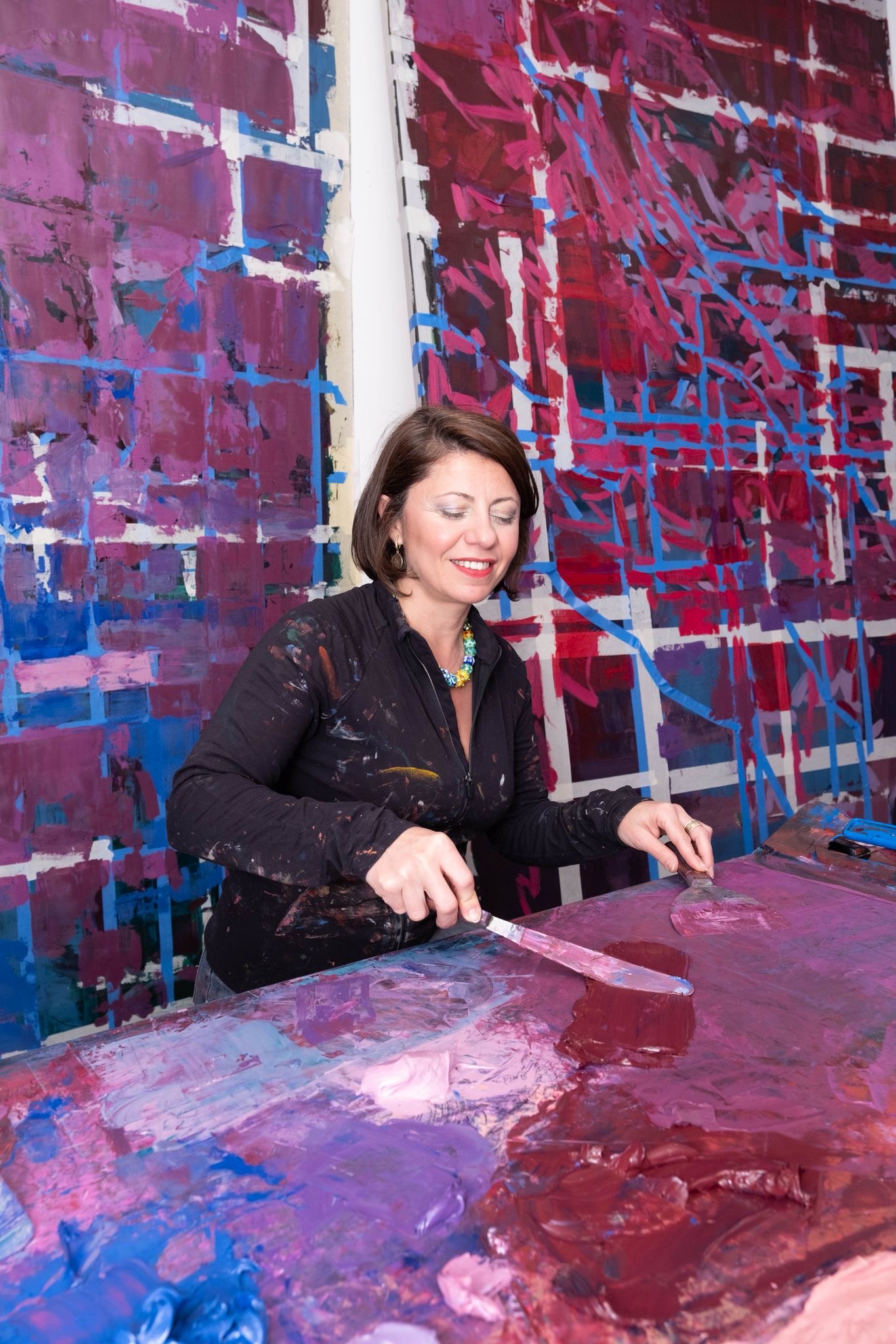
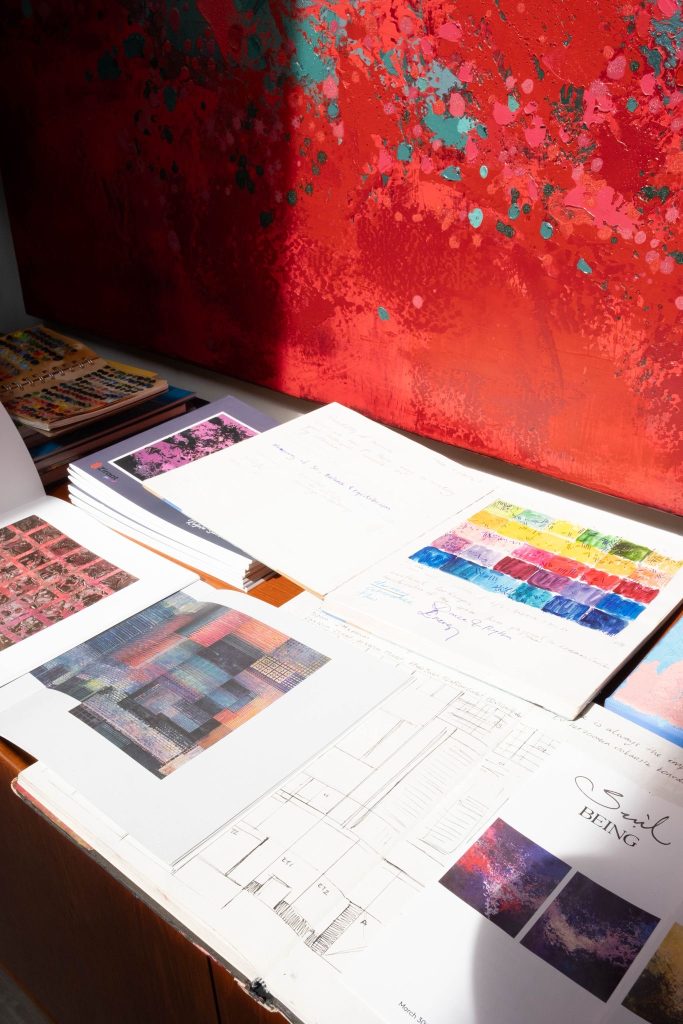
I am an artist who has been producing on many different scales and with various techniques for many years. At the center of this diversity are always my oil-on-canvas works. I have a wide range of alternative works. My production area ranges from small, accessible works—something one could gift to a loved one on a special day—to large-scale works that can be included in architectural projects and collections. In addition to individual productions, I also collaborate with collections, institutions, and art professionals. I care deeply about my works meeting the audience through the right channels. For this reason, I also produce in different areas such as limited editions, paper works, drawings, watercolours, and prints.
I value sharing. When I first moved to London, since I couldn't find a space to share these things, a community formed over time; this structure grew and developed. I named this structure the Seçil Erel Art Club.
This process eventually moved to my studio in Istanbul as well; thus, it turned into a structure developing on a London-Istanbul axis. With the events we organized in Bodrum last year, our sphere of influence expanded even further. This journey, which started in a small workshop in Waterloo, London, has extended over time from exhibitions we visited together to events in different cities and venues. Thanks to our collaborations with curator Hüma Kabakçı, Soho House Istanbul, Olea Social (Soho London), Caresse Art Bodrum, and LTAA at a private club in Islington, we have come together with both individual and corporate participants.
During this process, I work together with my Studio Manager, Leyla Spencer. We design customized, creative, and meaningful projects based on both individual and corporate demands. We meticulously evaluate every project and construct the most accurate and unique experience for individuals or institutions.
So, how do you protect yourself to remain authentic in London?
Throughout my life, I haven't been an artist who follows trends; I have always moved forward with my inner voice and intuition. I have a very dynamic life. I always maintain my connection with my inner world during the production process. For me, authenticity is not adapting to the outside world but being able to stay true to one's own inner voice.
Finally, do you have a message you'd like to say or convey?
It was very valuable for me to get to know you better through this collaboration and interview; I want to thank you for that. We met thanks to the London organization of the Arya Investment Platform, and fortunately, we were able to develop our relationship and create this wonderful article.